
The stumps must be a nice location.
A Great Egret and Tricolored Heron didn’t seem to have any problem being this close.


Magnolia Cemetery, Charleston, South Carolina.
The stumps must be a nice location.
A Great Egret and Tricolored Heron didn’t seem to have any problem being this close.
Magnolia Cemetery, Charleston, South Carolina.
The Heron had collected moss but now the sun had dropped and the bird was flying almost into the sunlight. (Photographs best viewed large)
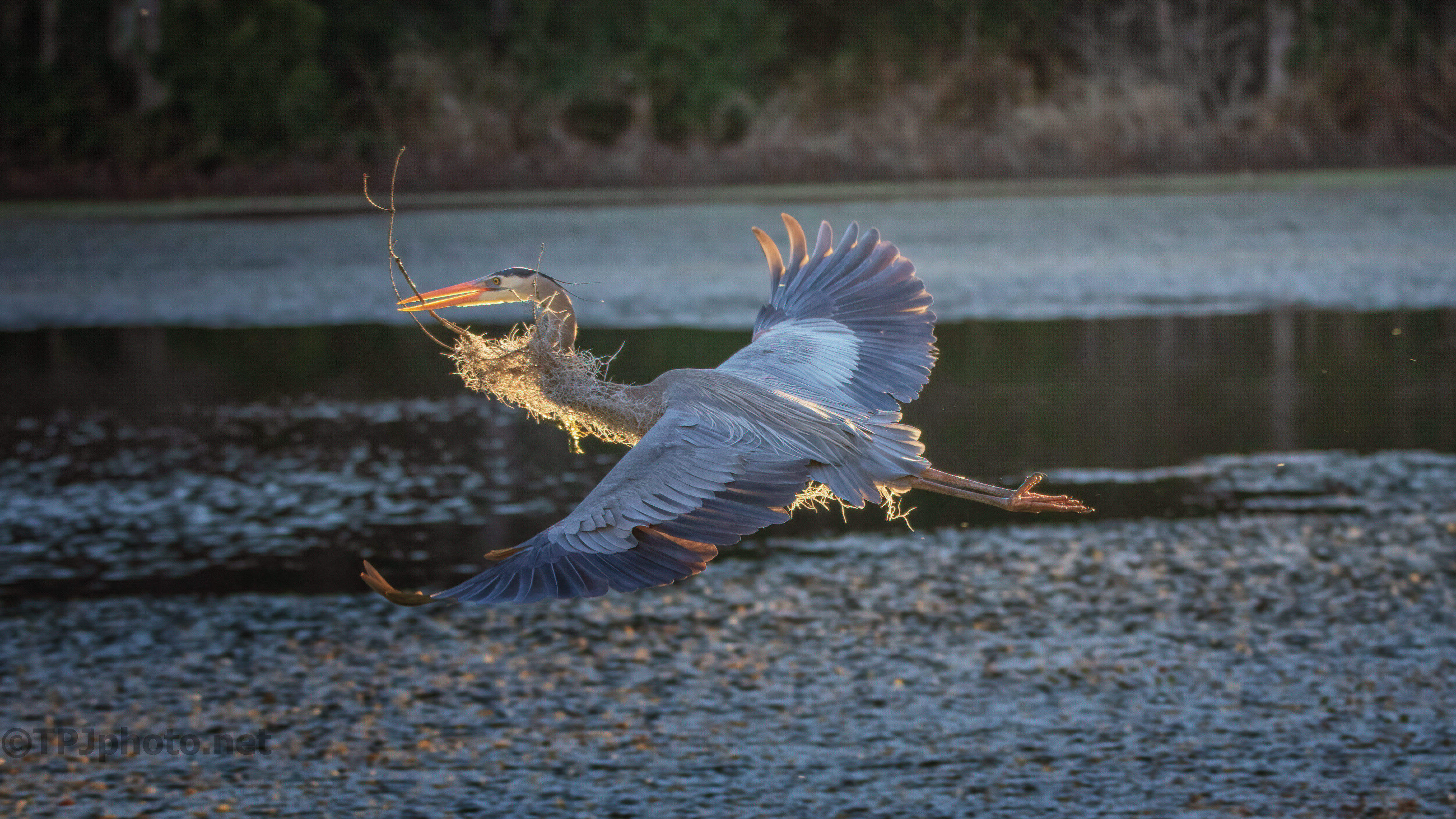
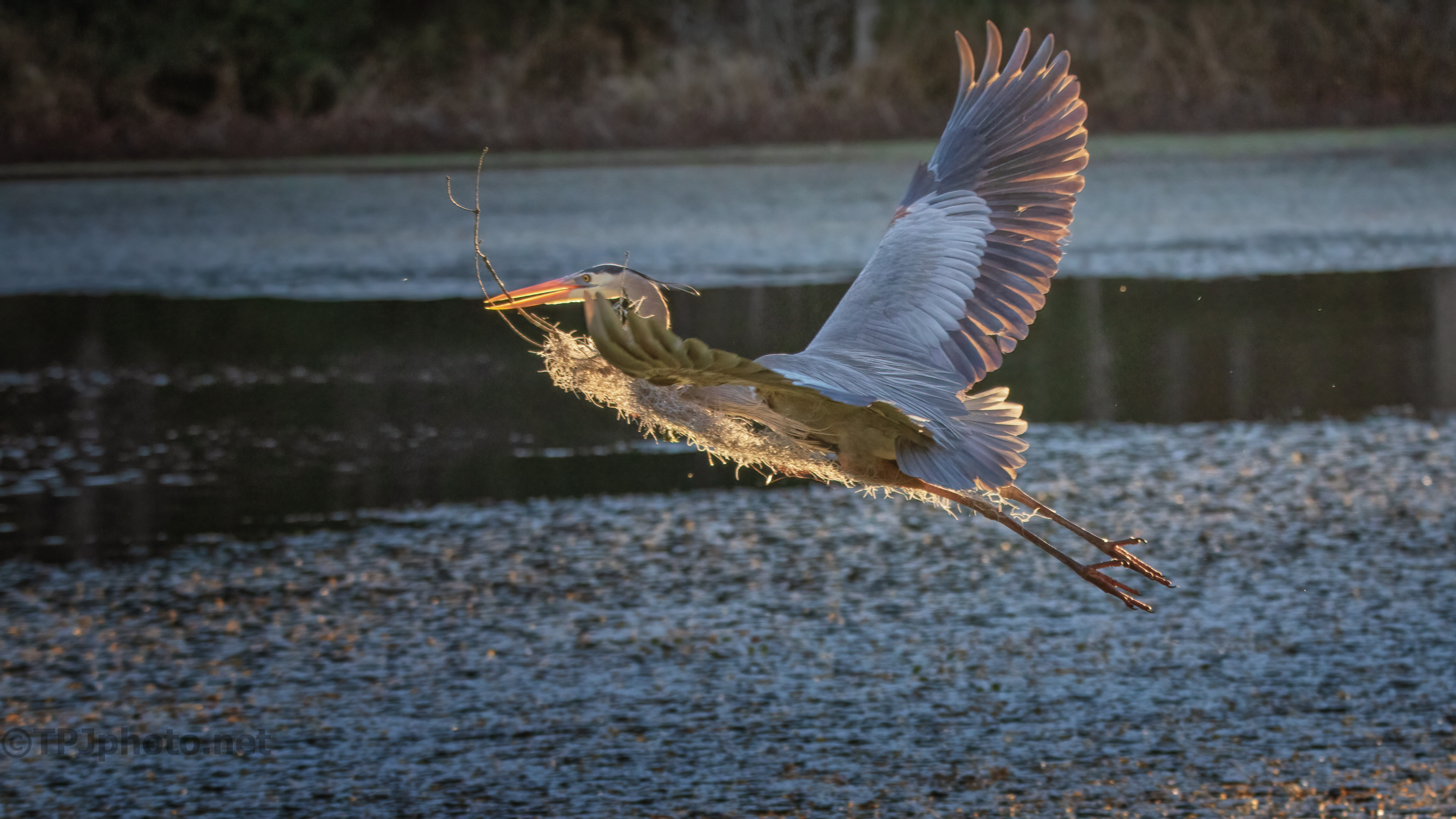
Since I was close when the bird first landed to gather moss I was able to pan with him as he took flight.
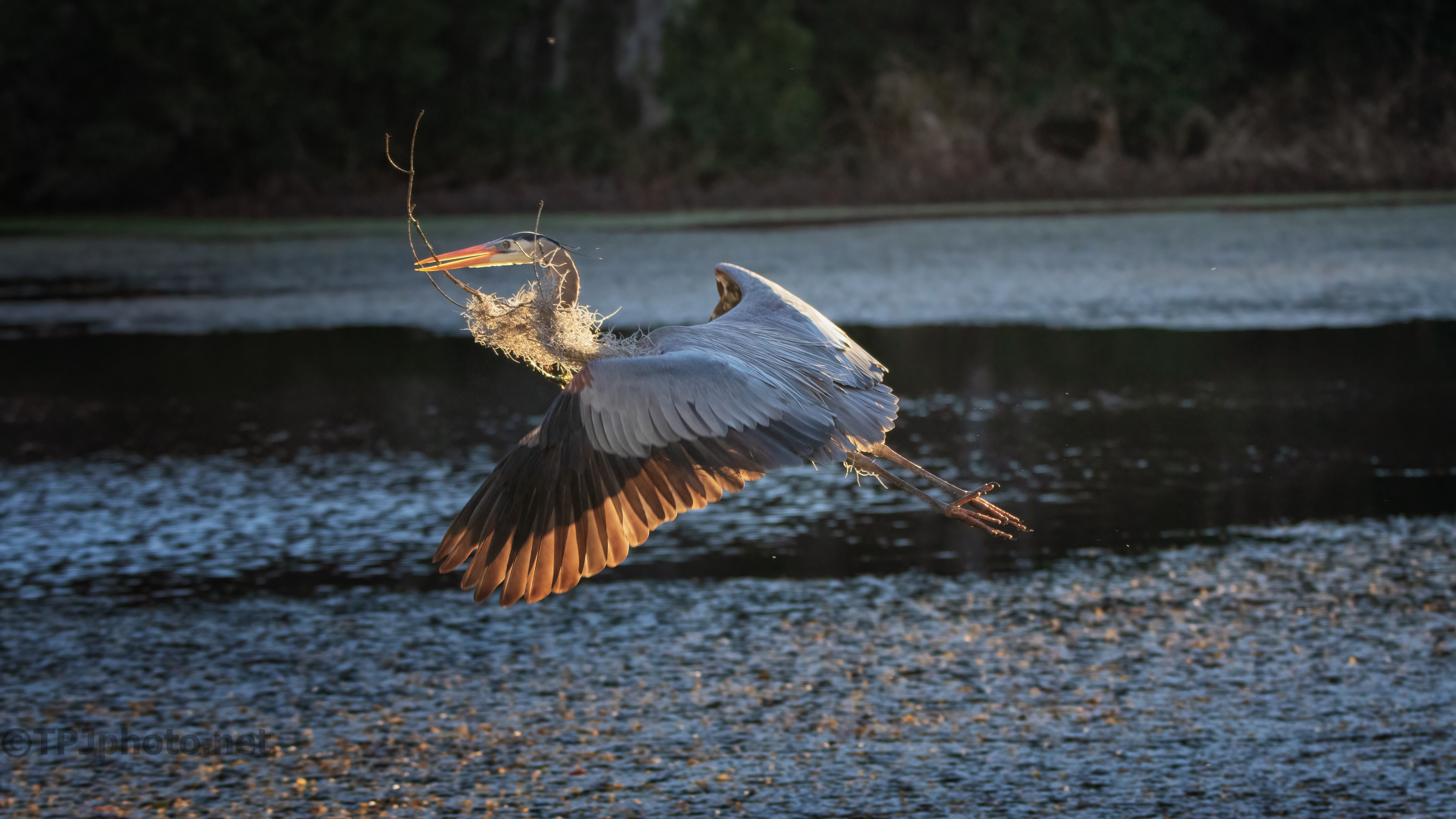
At the time I didn’t realize how good the light was. I thought there was a chance the last shots would be blown out with the bird directly in the setting sun.
note; images below may error if using WordPress Reader on an IPad. This original content was a gallery prior to updating. Galleries are not compatible with an IPad.
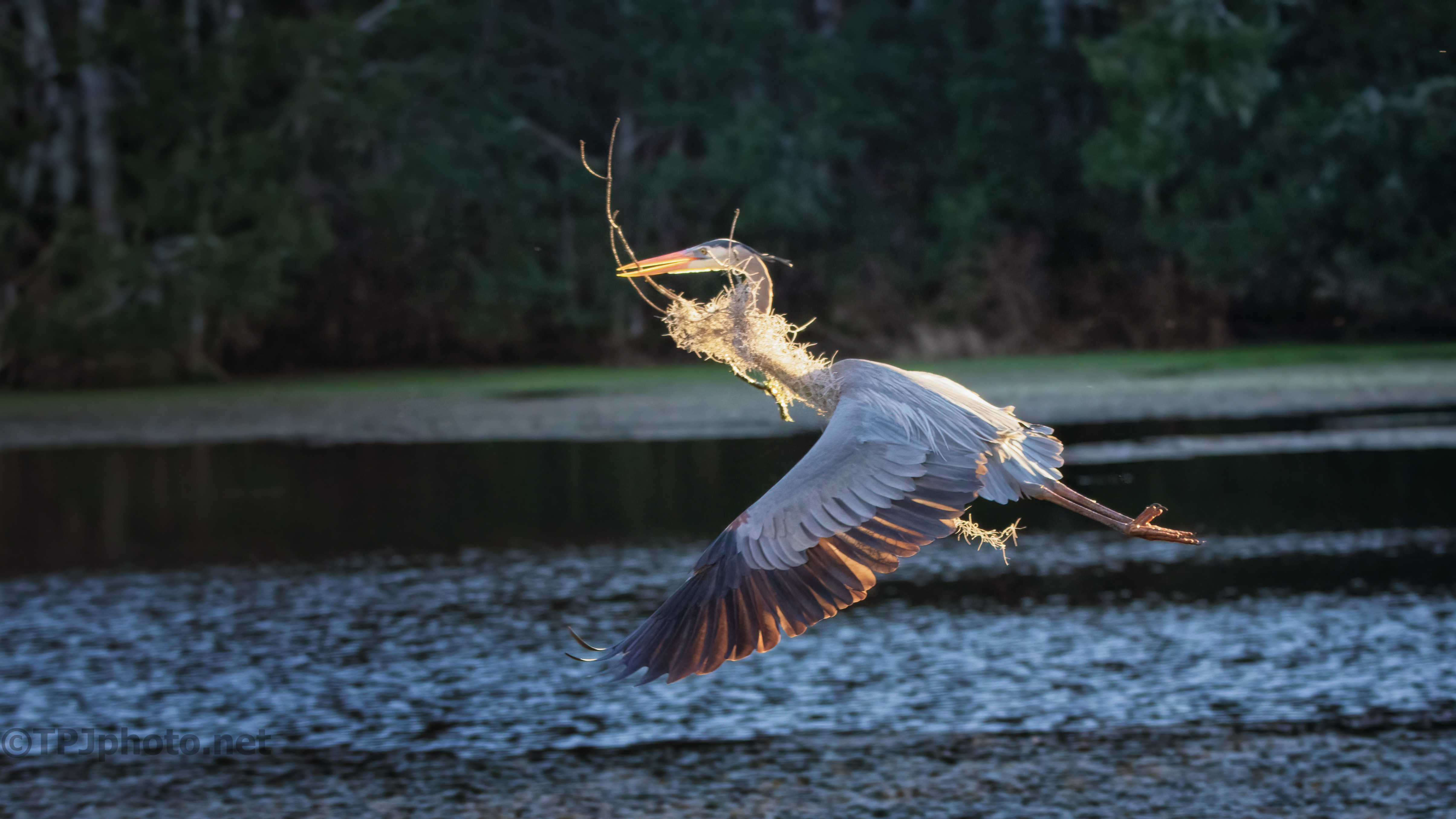
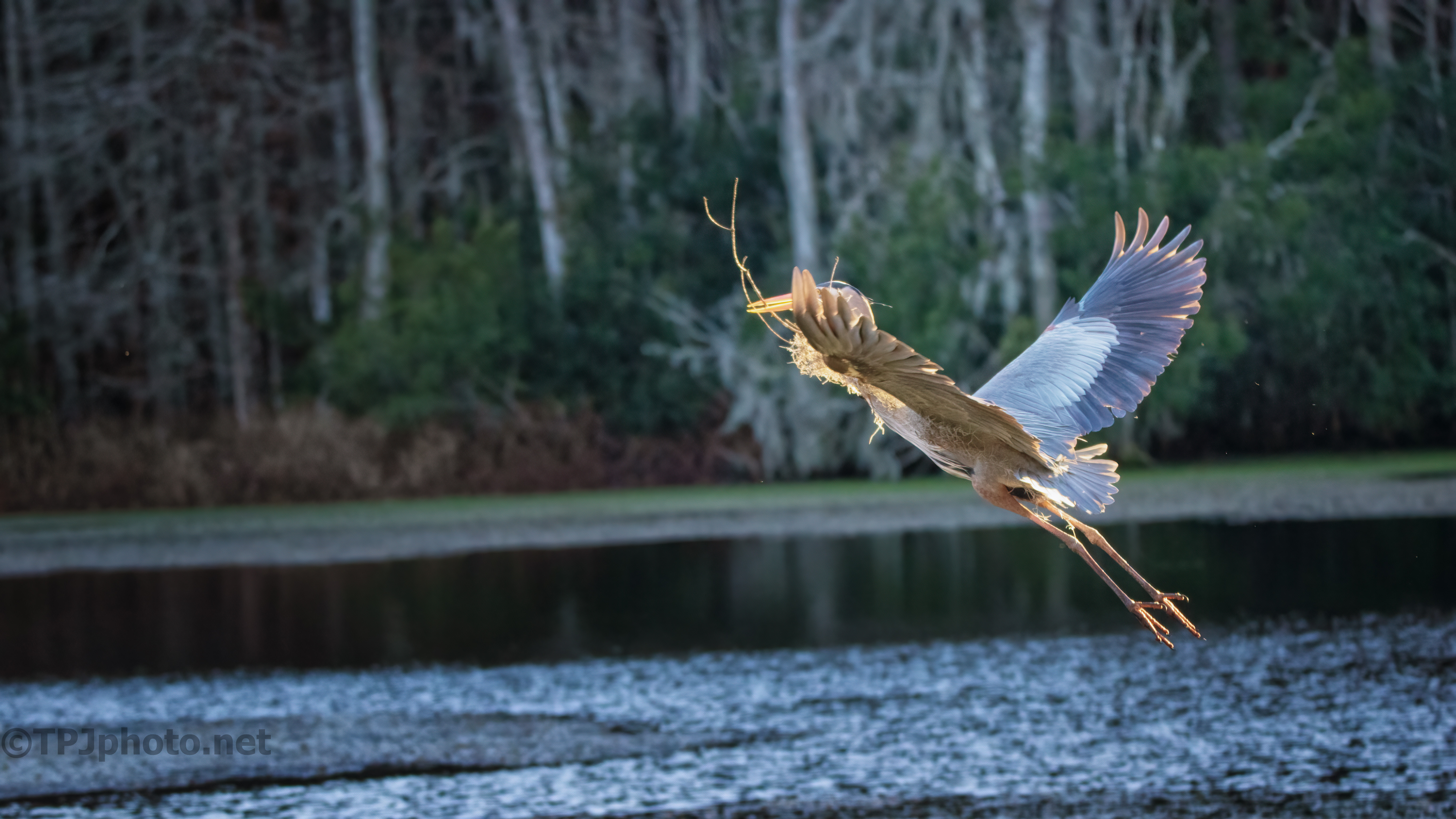
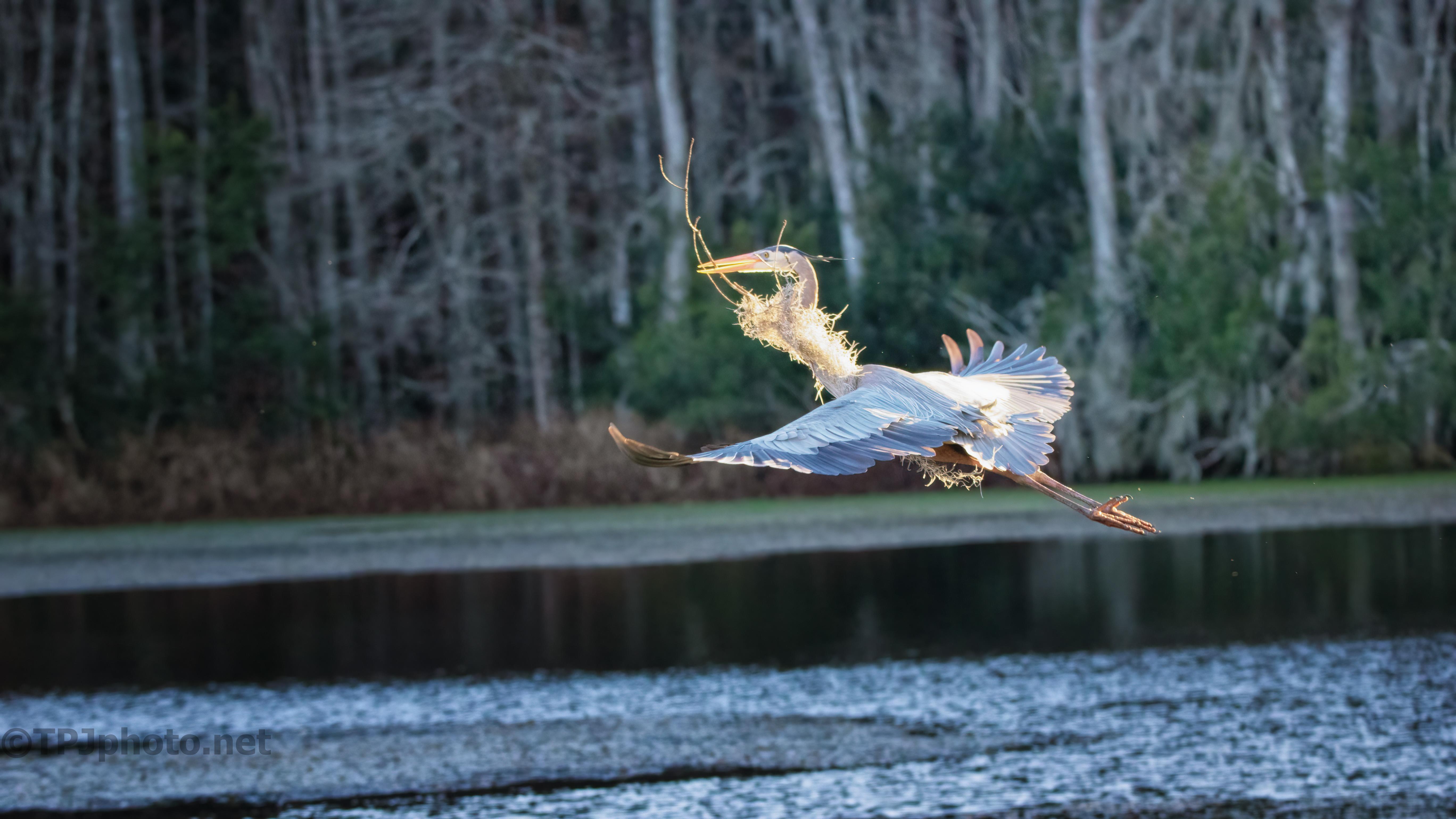
This was the last trip for materials. The female suddenly left the male in charge and went to hunt.
Charleston, South Carolina.
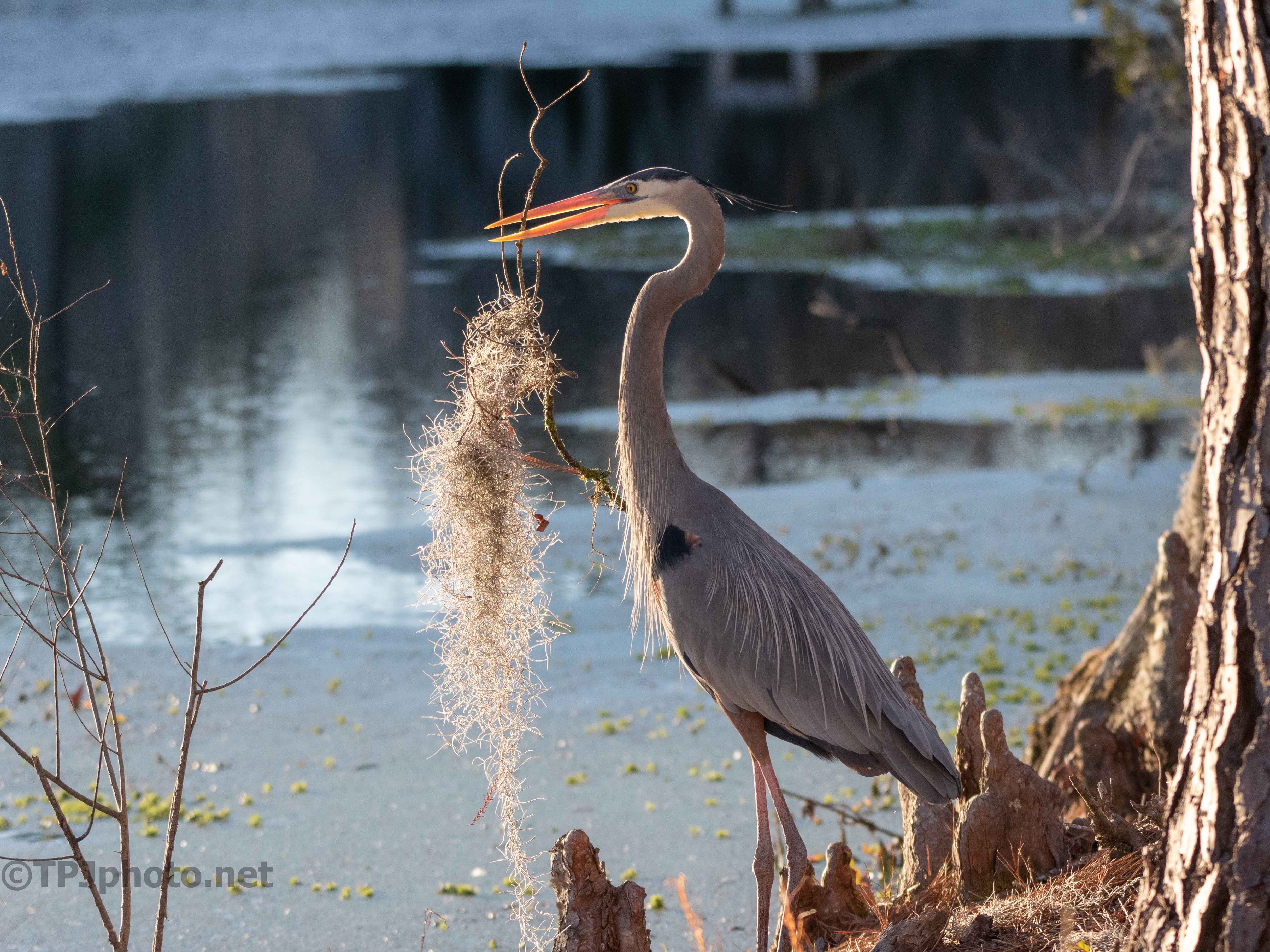
Sun was setting but this Great Blue was working hard at gathering nesting materials.
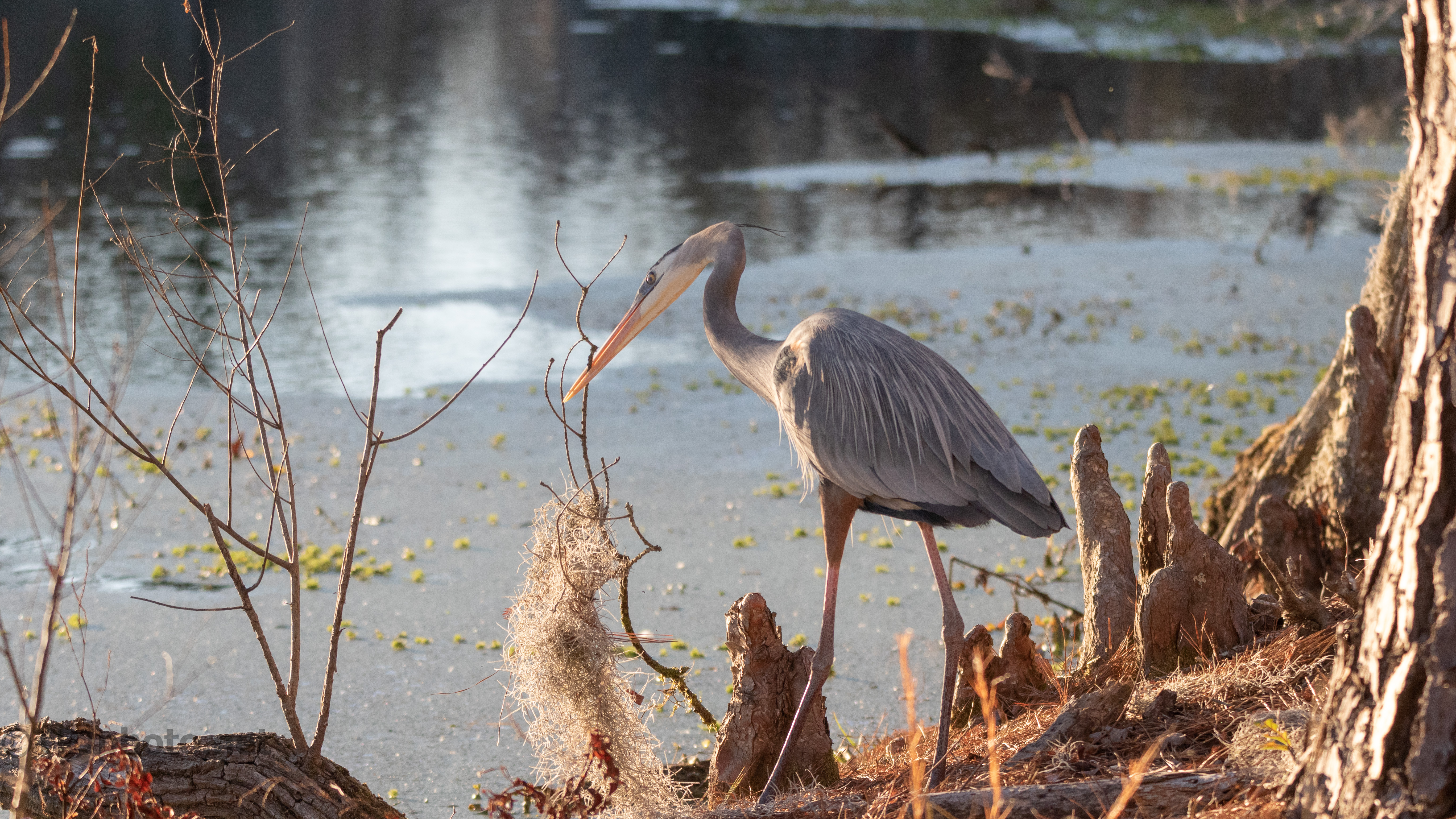
The fact that I was there was not an issue. The big soft Spanish Moss was more important.
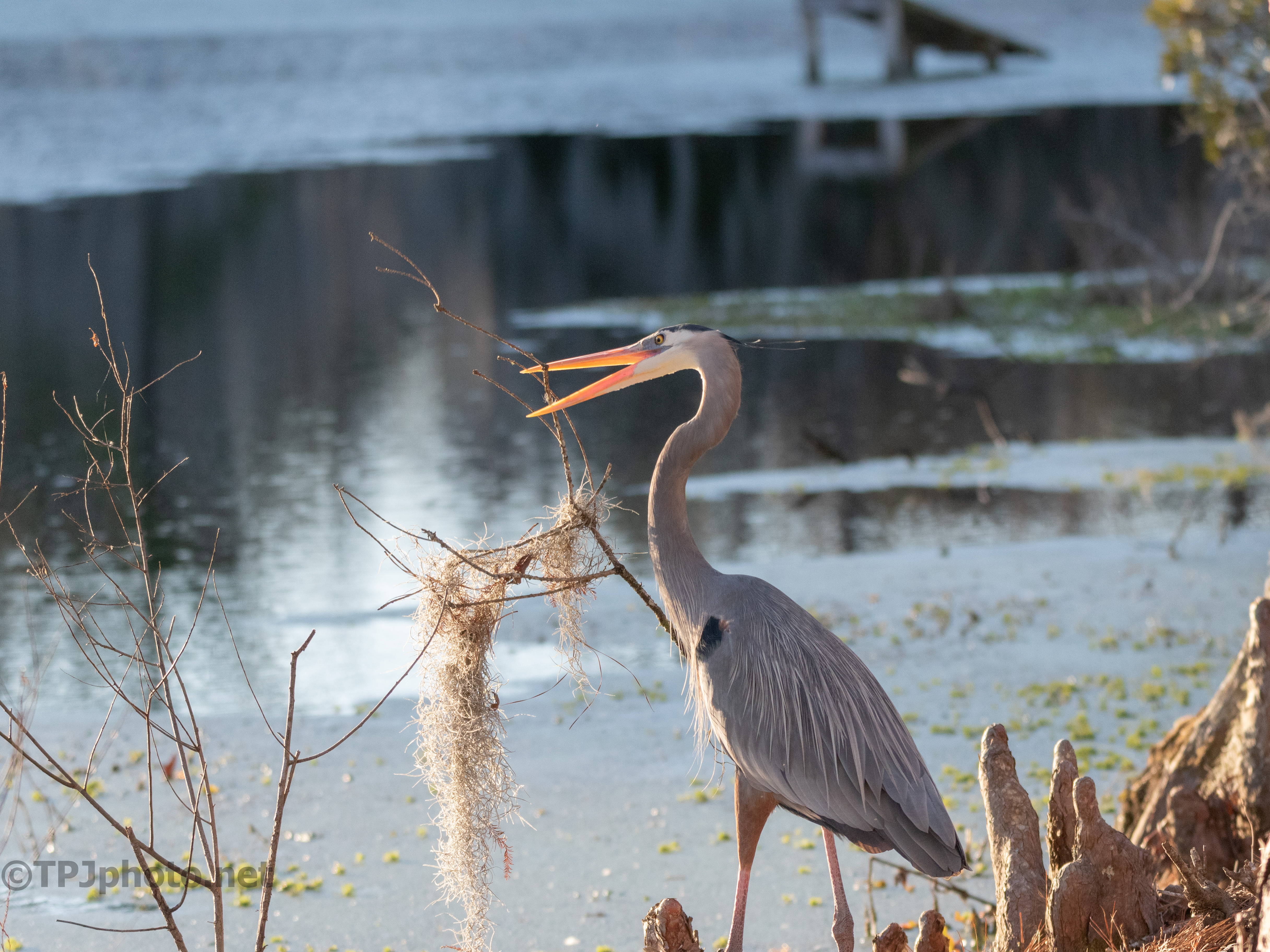
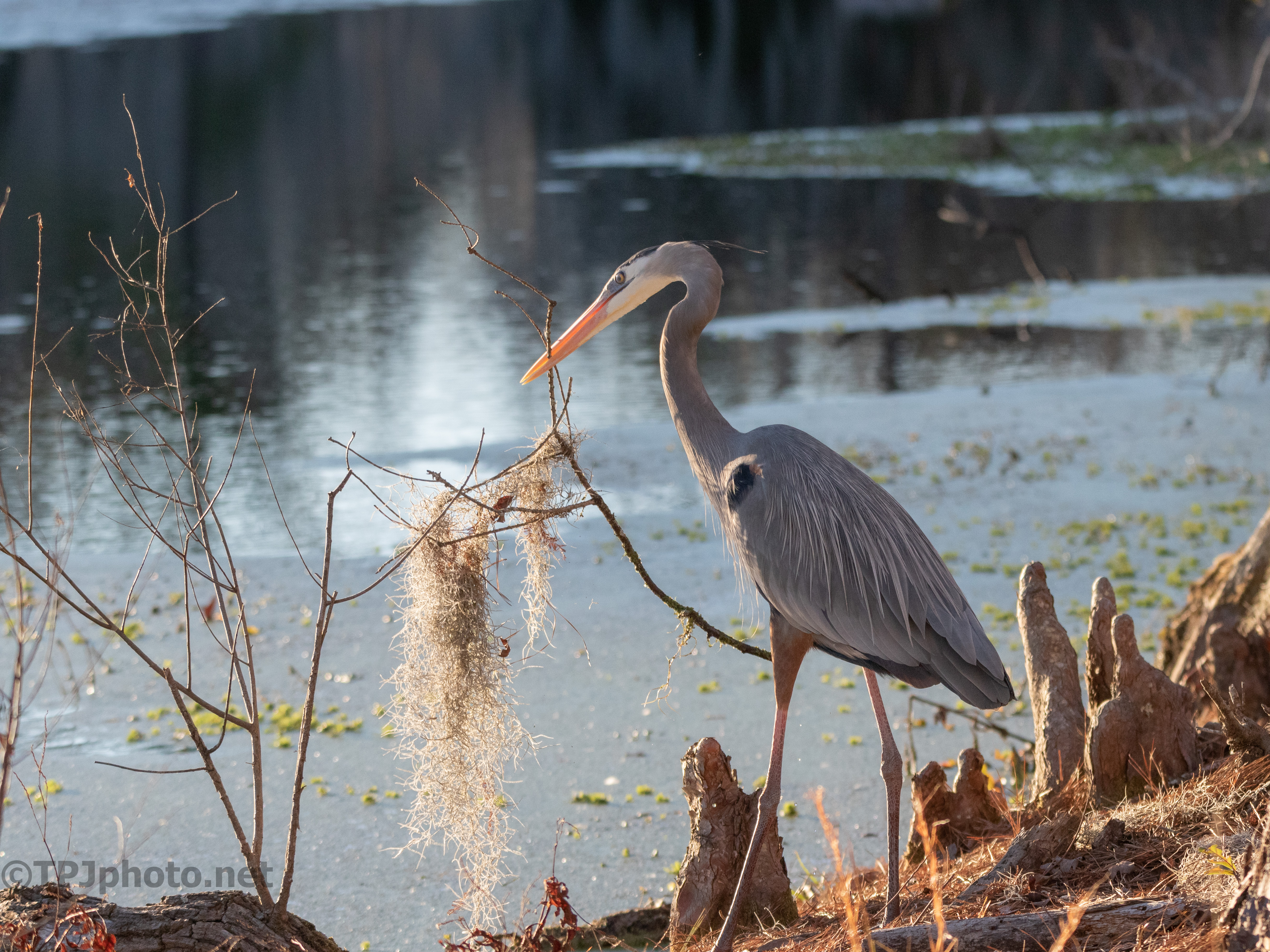
He had made several trips for this treasure and light was fading fast.
Cypress trees have roots that grow straight up above the ground, called a ‘knee’. Trap might be a better name since you cannot avoid tripping on them.

Eastern Phoebes use them as perches to look over the waters surface for small insects. Swamps have Cypress Knees, insects, so of course Phoebes love to be here.

When you spot a Phoebe it’s best to focus the camera on the Knee. The bird will almost always return to the perch after each dive for an insect.
A new routine for the end of day, Ibis flocking.

Just before dark they have started to arrive, in a Cypress tree that has always been a Heron roost. Maybe not this year though.

It might be hard for a Heron to get comfortable after 10-15 of these guys swoop in all around you. They like to mumble to each other, a lot.
A unique sound, not what you would expect, but one you will not forget.


The call is deep and raspy, almost a long drawn out cough.

The Great Blue leans back and stands up tall.

Most calls are reserved for their mates. Early in the year calling out for them to return to a nest, and later when a mate needs the other to return.

When out photographing you will hear them from a long ways. For me the call tells me to walk a little faster, the Herons are on the move.
Charleston, South Carolina.
I usually find Night Herons one or two at a time. Now it’s what I have come to expect.

I should be more careful because I’m not expecting quick flights when photographing one. These two Black-crowned were out in the open, easy to take my time.

Not really the time I expected, I missed one flying almost on my head. The tree with two in the open was filled with small Herons.


Good fortune though, I spotted more and watched where the others flew to. They landed right down the pond.
I guess this is their comfortable roost so I will try to come at it from different directions now. If I don’t scare them into flight it’s a win for both of us.
Charleston, South Carolina.
Almost city birds. A large pond, near the marsh and Cooper River, so it’s almost in town.

They did break the rule a little since Alligators do come over from the marsh. That’s why the ‘almost’ city dwellers.

Still it’s safer here than many other spots.

I’ve always loved Mallards. I once looked on line and found they are the second most photographed animal.
Yeah, number one… Cats of course.


